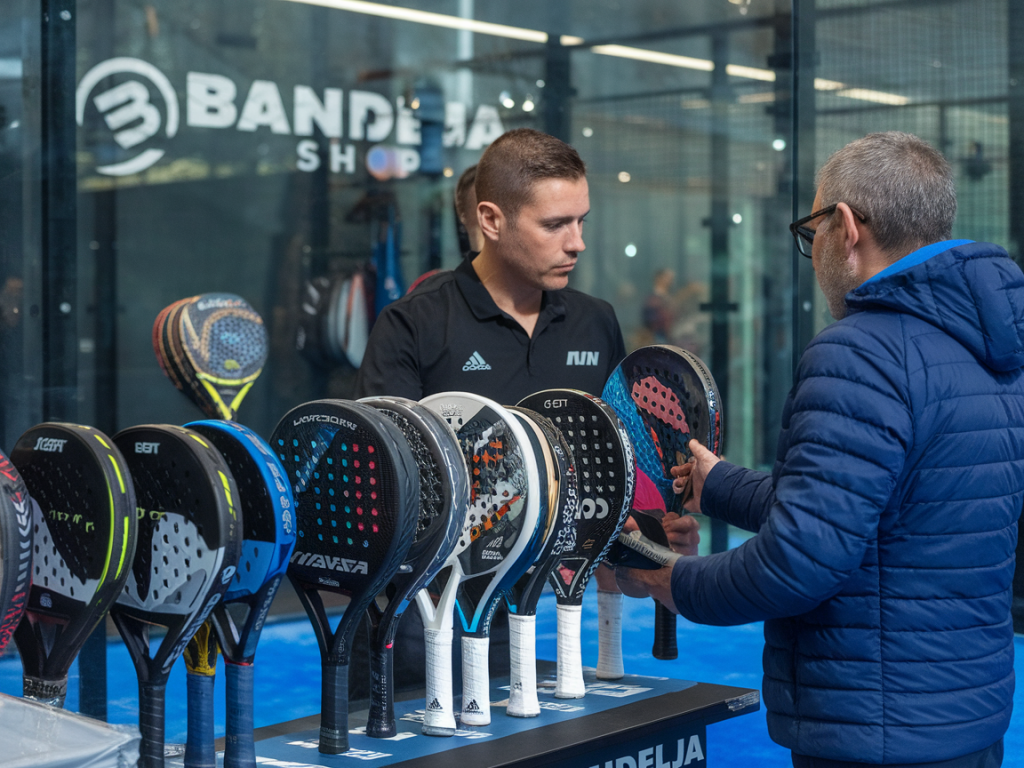
I’ve been following niche e-commerce retailers for years, both as someone who advises small businesses and as a regular player on the court, so when I spotted an attractive padel racket sale at Bandeja Shop I immediately started thinking about the practical lessons for merchandising, customer experience and inventory planning that any small online retailer can learn from a specialist store. In this article I’ll walk you through what a padel racket sale is really about — from product selection and brand mix to pricing strategy, customer trust signals and the value of a loyalty program like the E-Club Bandeja.
Why a padel racket sale matters (more than just a discount)
A sale on padel rackets is not just a marketing stunt; it’s a strategic tool that can achieve several business objectives simultaneously. From a retailer perspective I look for four clear outcomes: clear slow-moving stock, acquisition of new customers, conversion of casual visitors into repeat buyers, and data gathering on price sensitivity.
- Stock rotation: Seasonal models and heavy inventory items (racket series from Bullpadel, Nox, Head) need periodic promotion.
- Customer acquisition: Sales are often the most effective way to get players to try a new brand or model.
- Lifetime value: Pairing a racket sale with an E-Club sign-up can increase CLV via future discounts and early access offers.
- Market intelligence: Monitoring which shapes (round, teardrop, diamond) sell fastest during a sale informs future buys.
What I look for in a padel racket sale
When I shop or advise clients about running a sale, three practical criteria determine whether the promotion will be effective:
- Transparency: Clear information on racket specs (weight, balance, core rigidity) and honest product photos reduce returns.
- Segmentation: Offers targeted to ability levels (beginner, intermediate, pro) convert better than blanket discounts.
- Value stacking: Discounts combined with accessory bundles (overgrip, protector, bag) increase average order value.
How Bandeja Shop does padel racket sales well — lessons for small retailers
Bandeja Shop is a useful case study because they’ve built a specialist catalogue (Bullpadel, Nox, Head, Adidas, Wilson, Siux, Babolat) and paired it with physical expertise in Vallauris and a strong online presence. From my viewpoint the most instructive elements are:
- Curated selection: Organising rackets by shape and skill level reduces choice paralysis for buyers.
- Expert content: Their Webzine and buying guides act like a salesperson 24/7 — perfect for converting undecided shoppers.
- Omnichannel trust: A shop where customers can test rackets locally strengthens online conversion and reduces returns.
- Loyalty mechanics: The E-Club Bandeja offers up to 20% off and early access — an excellent example of keeping customers within the ecosystem after a sale.
Choosing the right racket during a sale — my practical checklist
A sale can push you to buy a racket that's not the best fit. When I’m choosing, I run through a quick checklist to avoid buyer’s remorse:
- What is my playing level and dominant style (power vs control)?
- Which shape suits me: round for control, teardrop for balance, diamond for power?
- Weight range — do I need maneuverability (lighter) or smash power (heavier)?
- Core density — softer for comfort, harder for more rebound and power.
- Brand warranty & returns — essential during promotions.
Pricing strategy and how to evaluate a padel racket sale
From a business perspective, evaluating a sale involves understanding margins and buyer psychology. Here are the levers I monitor:
- Anchor pricing: Show the RRP beside the sale price to create perceived value.
- Time-limited offers: Limited windows increase urgency but should be used sparingly to avoid training customers to wait.
- Bundle discounts: Offering a racket + bag or shoes at a small incremental discount increases basket size.
- Clear return policy: A 30-day “satisfied or your money back” is a trust signal that reduces friction during sales.
Inventory and merchandising tips for a successful sale
Practical inventory tactics I recommend are:
- Prioritise clear labelling by shape and skill level in your product feed.
- Keep a small test inventory of new pro models; the halo effect drives traffic.
- Use the sale to cross-promote high-margin accessories (overgrips, protectors, thermal bags).
- Measure conversion and return rates per brand — some brands may have higher returns that erode margin during heavy discounting.
Customer experience and post-sale retention
Sales are the start of a relationship. From my experience you should:
- Include a short how-to guide or sizing chart in the package to reduce returns.
- Invite buyers to join a loyalty program — the E-Club Bandeja model (early access + exclusive discounts) is effective.
- Follow up with care tips and product registration to extend lifetime value.
| Racket Attribute | What to check during sale | Business implication |
|---|---|---|
| Shape | Round / Teardrop / Diamond clearly stated | Reduces returns and increases confidence |
| Weight | Exact grams or range | Matches customer physical needs; fewer complaints |
| Brand | Warranty & model year | Helps forecast demand and warranty claims |
Marketing copy and product pages that convert during a sale
When I review product pages during a promotion, I want to see:
- Concise benefits: who the racket is for and the expected result on court.
- Trust elements: customer reviews, professional endorsements, clear warranty and return links.
- Visual cues: high-quality photos of the face, edge, and weight balance; short videos are even better.
How the E-Club Bandeja amplifies the value of a sale
Loyalty programs are especially powerful in niche sports because players often upgrade gear regularly. E-Club Bandeja’s perks — up to 20% off, early access, and exclusive promos — do three things I care about as a marketer and adviser:
- They shorten the conversion path during sales by offering an extra incentive to members.
- They create predictable demand which makes inventory planning simpler.
- They allow for segmented offers (e.g. members-only bundles) that protect margins while still providing value.
A final practical note on measuring success
When a client runs a padel racket sale I insist on tracking a handful of KPIs: conversion rate by product, average order value (and uplift from bundles), return rate, new vs returning customer ratio, and post-sale retention via loyalty sign-ups. These metrics tell you whether the sale generated short-term cash at the expense of long-term value — or whether it helped build a sustainably larger customer base for future cross-sells like footwear, apparel and accessories.